Best Freedom Camping Spots in New Zealand

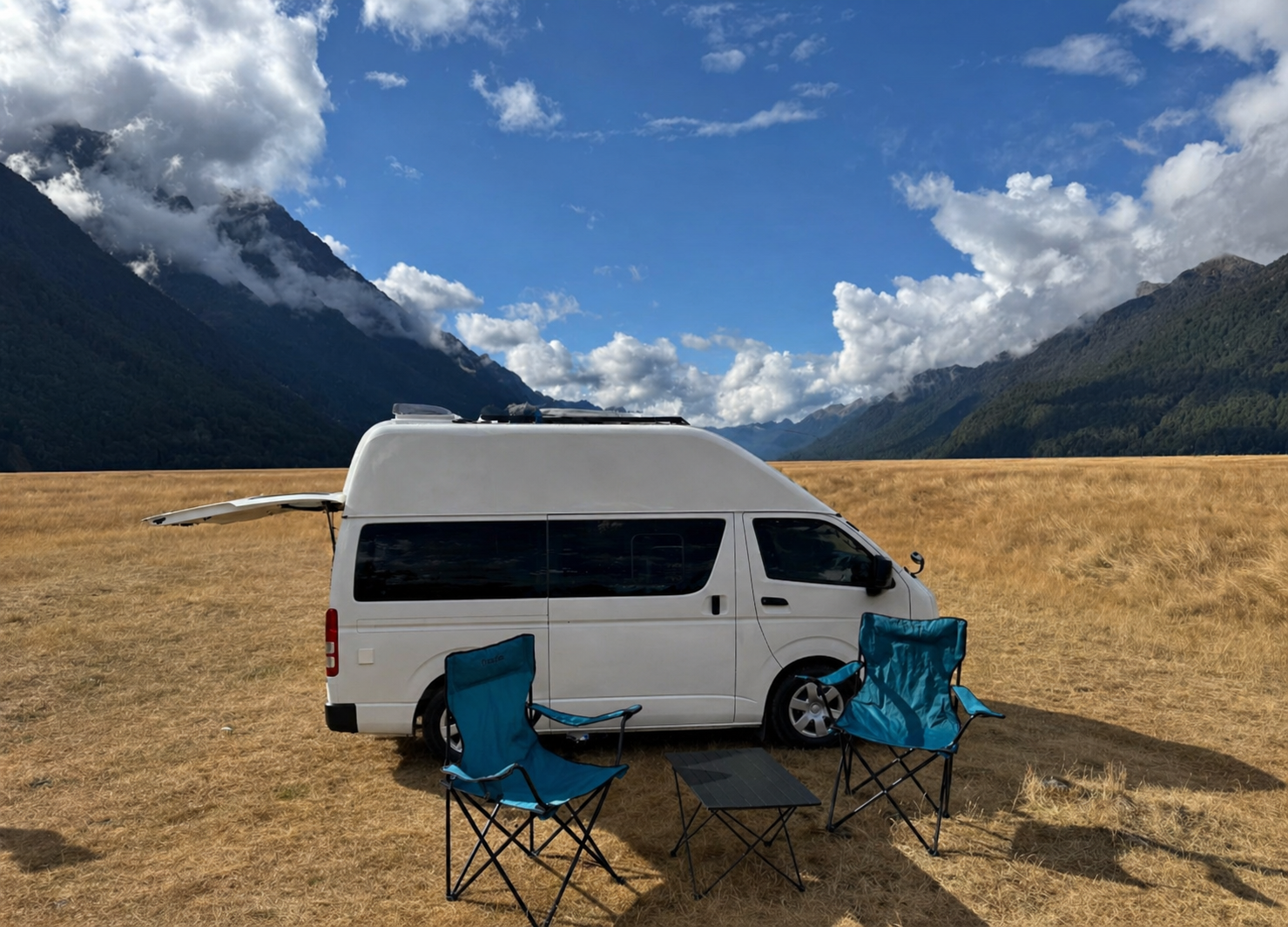
Campervan in mountains freedom camping.

Freedom camping is one of those ideas that makes people fall in love with the thought of a New Zealand campervan holiday.

Waking up near a beach, lake, forest or mountain valley sounds pretty dreamy — and on the right trip, it absolutely can be. But freedom camping in New Zealand is not a free-for-all. There are rules, signs, local council bylaws and self-containment requirements to follow.

The good news is that with a certified self-contained campervan, a bit of planning and a respectful approach, freedom camping can be one of the most memorable parts of your New Zealand road trip.

Here are some of the best types of freedom camping spots to look for, plus a few important tips before you park up for the night.


First Things First: What Is Freedom Camping?

Freedom camping generally means camping on public land outside a paid holiday park or commercial campground.

In New Zealand, many freedom camping areas are only available to certified self-contained vehicles. That means your campervan must be able to manage fresh water, wastewater and toilet needs without relying on public facilities.

However, even if you have a self-contained campervan, you still need to check the local rules. Some places allow overnight stays. Some allow them only in marked spaces. Some allow only certified self-contained vehicles. Others do not allow camping at all.

A good rule of thumb: if there is a sign, read it. If there is a local council rule, follow it. If you are not sure, choose a proper campsite instead.


1. Lakeside Freedom Camping Spots

New Zealand’s lakes are some of the most beautiful places to stay in a campervan.

Think still water, mountain reflections, morning mist, swimming spots and peaceful evenings with a cup of tea outside the van. Very civilised. Very easy to get used to.

Popular lake regions for campervan travellers include:

Lake Taupō, Rotorua lakes, Lake Tekapo ,Lake Pukaki, Lake Wānaka, Queenstown Lakes

Some lakeside camping areas have basic facilities nearby, while others are very simple. Always check whether overnight camping is allowed before you settle in.

Best for: Peaceful views, swimming, kayaking, photography and relaxed mornings
Campervan tip: Lakeside spots can get chilly at night, even in summer, so keep a warm layer handy.


2. Beachfront Campervan Spots

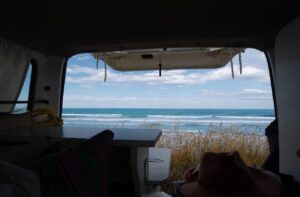
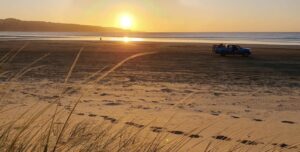
Beach camping is a classic New Zealand road trip dream.

The North Island has some wonderful coastal areas for campervan travel, especially around Northland, the Bay of Islands, the Coromandel, Mount Maunganui, the East Coast and Taranaki.

A beachfront campervan stop can mean waking up to the sound of waves, walking barefoot to the beach, having breakfast outside and pretending you are the sort of person who always lives this calmly.

Popular coastal regions include:

Northland, Bay of Islands, Coromandel Peninsula, Mount Maunganui and Bay of Plenty, Gisborne and the East Coast, Taranaki

Some beachfront spots are designated freedom camping areas, while others are day-use only. Always check signs and council information before staying overnight.

Best for: Swimming, sunsets, surfing, summer road trips and lazy beach mornings
Campervan tip: Coastal areas are popular in summer, so arrive early and have a backup campsite in mind.


3. Forest and Nature Reserve Camping

If you prefer birdsong to beach towels, forest camping might be more your style.

New Zealand has many beautiful forest and nature reserve areas where campervan travellers can stay nearby or within designated campsites. These spots are often quieter than beach destinations and can feel wonderfully peaceful after a few days on the road.

Many Department of Conservation campsites are simple, scenic and well suited to travellers who enjoy nature, walking tracks and a more off-grid feel.

Best for: Native bush, walking tracks, birdlife, quiet evenings and slower travel
Campervan tip: Forest areas can be damp, so pack layers and keep your campervan tidy to avoid the mysterious “where did all this wet gear come from?” situation.


4. Mountain and Valley Stops

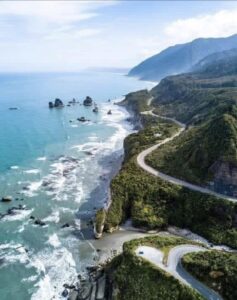
For dramatic scenery, mountain and valley regions are hard to beat.

Places around Tongariro National Park, Mount Ruapehu, Aoraki/Mount Cook, Arthur’s Pass, Queenstown and Fiordland offer some of the most impressive campervan backdrops in New Zealand.

These areas are ideal if you love hiking, photography, stargazing or simply looking out the window and saying, “Wow,” every five minutes.

Mountain areas can also come with fast-changing weather, colder nights and more remote roads, so plan carefully.

Best for: Hiking, photography, big scenery, stargazing and adventure travel
Campervan tip: Check weather and road conditions before you go, especially in winter or alpine areas.


5. Small-Town Campervan Stops

Some of the most enjoyable campervan stops are not famous tourist attractions at all.

Small towns often have designated overnight parking areas, basic campgrounds or nearby reserves where self-contained campervans may be allowed to stay. These can be great places to break up longer drives, refill supplies, grab coffee, visit a local bakery and support the community.

This is one of the joys of campervan travel in New Zealand. The unexpected places often become favourites.

Best for: Slower travel, local cafés, practical overnight stops and less crowded routes
Campervan tip: Spend money locally where you stay. A coffee, groceries or dinner out is a simple way to support the towns welcoming travellers.


Important Freedom Camping Rules in New Zealand

Freedom camping in New Zealand works best when travellers are respectful, tidy and informed.

Here are the essentials:

Only stay where overnight camping is allowed

Use a certified self-contained campervan where required

Follow local council signs and bylaws

Do not leave rubbish behind

Use dump stations properly

Keep noise down

Respect private property

Leave the area better than you found it

Freedom camping is a privilege, and the rules are there to protect New Zealand’s environment and local communities.


Do You Need a Self-Contained Campervan?

If you want more flexibility for freedom camping in New Zealand, a self-contained campervan is very important.

Many freedom camping areas only allow certified self-contained vehicles. A self-contained campervan gives you more options, especially when travelling between holiday parks, DOC campsites and designated freedom camping areas.

At New Zealand Campervans, our campervans are designed for practical, comfortable, self-contained travel, so you can explore with more confidence and flexibility.


Tips for a Better Freedom Camping Trip

Plan your first few nights

When you first arrive in New Zealand, it helps to plan your first few nights in advance. This gives you time to get used to the campervan, local roads, supermarket stops and campsite rules.

Use trusted camping apps

Camping apps can help you find legal overnight spots, dump stations, toilets, water refill points and reviews from other travellers. Always double-check signs when you arrive.

Have a backup plan

Even the best-looking spot might be full, closed, windy, noisy or not quite what you expected. Keep a second option nearby.

Mix freedom camping with holiday parks

Freedom camping is brilliant, but so are hot showers, laundry facilities and plugging in for the night. A mix of freedom camping, DOC sites and holiday parks often makes for the best trip.


Freedom Camping with New Zealand Campervans

A self-contained campervan gives you a wonderful way to explore New Zealand, but the best trips are planned with care.

New Zealand Campervans offers modern 2-berth and 4-berth campervan hire from Auckland, with clear inclusions, unlimited kilometres and practical features for relaxed road trips.

Whether you are chasing beaches, lakes, forests or mountain views, we will help you start your journey feeling organised and ready for the road.

Request a quote today and start planning your New Zealand campervan adventure.
Share:

More Posts

Campervan Hire New Zealand

Campervan Hire New Zealand: The Complete Guide to Exploring NZ by Campervan

If you’re researching campervan hire in New Zealand, you’re not alone. Every year thousands of travellers choose campervans to explore New Zealand’s mountains, beaches, lakes and national parks at their own pace. Whether you’re searching for New Zealand campervans, NZ campervans, campervan rental NZ, campervan rental New Zealand or campervan hire Auckland, this guide will help you understand everything you need to know before booking your adventure. Why Explore New Zealand by Campervan? New Zealand is one of the best countries in the world for campervan travel. Distances are manageable, the scenery changes constantly, and there are countless places where you can stop for a coffee, a walk, a swim or simply to enjoy the view. One of the biggest advantages of hiring a campervan in New Zealand is flexibility. You’re not tied to hotel bookings or strict schedules. If you discover a beautiful beach, mountain lookout or lakeside campsite, you can simply stay a little longer. Many visitors say their favourite memories weren’t the destinations themselves but the unexpected places they found along the way. Campervan Hire Auckland – The Perfect Starting Point For many international visitors, campervan hire Auckland is the most convenient option. Auckland is New Zealand’s largest city and home to the country’s busiest international airport. Picking up your campervan in Auckland allows you to begin your journey almost immediately. Popular routes from Auckland include: At New Zealand Campervans, we provide a complimentary Auckland airport shuttle, making collection easy after your flight arrives. Campervan Hire NZ vs Campervan Rental NZ Many travellers wonder if there is a difference between campervan hire NZ and campervan rental NZ. The simple answer is no. In New Zealand, the terms campervan hire and campervan rental are used interchangeably. Whether you’re searching for campervan rental New Zealand or campervan hire New Zealand, you’ll find the same types of vehicles and travel options. What Should You Look For In A Campervan? Not all New Zealand campervans are the same. Before booking, consider: Certified Self-Contained A certified self-contained campervan allows greater freedom when travelling and gives you access to many freedom camping locations throughout New Zealand. Comfortable Sleeping A good night’s sleep is essential for enjoying your road trip. Look for quality mattresses, bedding and practical layouts. Kitchen Facilities The ability to prepare meals saves money and adds flexibility. A well-equipped campervan should include cooking equipment, cookware, crockery and refrigeration. Storage Smart storage makes travelling much easier, especially for longer journeys. Modern Electrical Systems Charging phones, cameras and laptops is important for most travellers. Modern campervans should include USB charging and power options for everyday devices. Why Choose New Zealand Campervans? At New Zealand Campervans, we’ve designed our fleet specifically for travellers who want a modern, comfortable and hassle-free New Zealand road trip. Our campervans feature: Our compact Toyota HiAce campervans are easy to drive while still providing everything you need for a comfortable adventure. Best Places To Visit In New Zealand By Campervan Some of the most popular destinations for campervan travellers include: Bay of Islands Beautiful beaches, marine life and historic sites make this one of the most popular destinations north of Auckland. Coromandel Known for Cathedral Cove, Hot Water Beach and spectacular coastal scenery. Rotorua Experience geothermal wonders, Māori culture and mountain biking trails. Lake Taupō New Zealand’s largest lake offers boating, fishing, hiking and incredible scenery. Tongariro National Park Home to the famous Tongariro Alpine Crossing and stunning volcanic landscapes. Queenstown Adventure capital of New Zealand with world-class scenery, hiking and outdoor activities. Milford Sound Often described as one of the most beautiful places in the world. When Is The Best Time To Hire A Campervan In New Zealand? New Zealand is a year-round destination. Summer (December to February) offers warm weather and long daylight hours. Autumn (March to May) brings fewer crowds and beautiful colours. Winter (June to August) is ideal for skiing and snow adventures. Spring (September to November) offers blooming landscapes and comfortable temperatures. Each season offers a different experience, making campervan travel a fantastic option throughout the year. Ready To Start Your New Zealand Campervan Adventure? Whether you’re searching for New Zealand campervans, campervans New Zealand, campervan hire Auckland, campervan hire NZ or campervan rental New Zealand, the key is choosing a reliable campervan that allows you to explore comfortably and confidently. At New Zealand Campervans, we provide modern, fully equipped campervans designed to help you experience the very best of New Zealand. Browse our campervans today and start planning the road trip of a lifetime.

Freedom Camping Rules New Zealand

Self-Contained Campervans in New Zealand Explained

If you are planning a campervan holiday in New Zealand, you will probably see the phrase “self-contained campervan” everywhere. At New Zealand Campervans, all our campervans are self contained. It sounds simple enough, but if you are visiting from overseas, it can be a bit confusing at first. Does it mean the campervan has a toilet? Can you freedom camp anywhere? Do you need it for every campsite? Is it different from a normal campervan? Let’s make it easy. A self-contained campervan is designed so travellers can manage their basic needs without relying on public facilities. In New Zealand, this is especially important if you want more flexibility around freedom camping and designated overnight areas. In short: if you are planning a New Zealand campervan road trip, self-contained is a very useful thing to understand. What Does Self-Contained Mean? A self-contained campervan has the equipment needed to store and manage fresh water, wastewater and toilet waste for a period of three days. The self-contained campervans are issued with a green warrant to show legislative compliance. Vehicles must meet the required standard to be officially certified self-contained. In simple traveller language, a self-contained campervan is set up so you can travel more independently and responsibly. It helps reduce pressure on public toilets, parks, beaches and local communities. It does not mean luxury hotel on wheels. It means practical, responsible and better prepared for the road. Why Self-Containment Matters in New Zealand New Zealand is beautiful, but it is also small, popular and environmentally sensitive. Freedom camping has grown a lot over the years, and local communities want to make sure visitors enjoy the country without leaving rubbish, waste or damage behind. That is why self-containment matters. A certified self-contained campervan can give you access to more overnight options than a non-self-contained vehicle, especially in areas where freedom camping is limited to certified vehicles. It is also a sign that the campervan has been set up with responsible travel in mind. Can You Freedom Camp Anywhere with a Self-Contained Campervan? No — and this is one of the most important things to know. A self-contained campervan gives you more flexibility, but it does not give you permission to camp anywhere you like. Freedom camping rules vary between councils, regions and individual sites. Some places allow certified self-contained campervans. Some allow camping only in marked spaces. Some have time limits. Some do not allow overnight camping at all. Always check: Local signs Council websites Camping apps DOC campsite information Any parking restrictions If a sign says no camping, do not camp there. Even if the view is incredible. Especially if the view is incredible, because everyone else probably had the same idea. Self-Contained Campervan vs Holiday Park A self-contained campervan gives you flexibility, but holiday parks are still very useful. Holiday parks usually offer hot showers, toilets, kitchens, laundry, rubbish facilities, dump stations and powered sites. After a few days on the road, these things can feel like a small miracle. The best campervan trips often use a mix of: Freedom camping areas DOC campsites Council-approved overnight spots Holiday parks Commercial campgrounds That way, you get the freedom of the road without trying to live like a wilderness expert every single night. What Facilities Are Usually in a Self-Contained Campervan? A self-contained campervan may include: Fresh water storage Grey water storage A toilet Cooking facilities Sleeping area Rubbish storage Sink or water access Ventilation Practical storage At New Zealand Campervans, all our campervans are self contained. Do Tourists Need a Self-Contained Campervan? You do not need a self-contained campervan for every type of New Zealand holiday, but if you want to freedom camp you do. If you plan to stay only at hotels, motels or full holiday parks, then self-containment may not matter as much. But if you want a proper campervan road trip with more flexibility, it is a very good idea. A self-contained campervan is especially useful if you want to: Stay at designated freedom camping areas Use more basic campsites Travel between regions at your own pace Explore beyond the main towns Have more independence on the road Keep your options open For many international visitors, booking a self-contained campervan makes the trip easier and less stressful. What About 2-Berth and 4-Berth Campervans? Self-contained campervans come in different sizes. A 2-berth campervan is usually ideal for couples, solo travellers or two friends who want something easy to drive and simple to manage. A 4-berth campervan is better suited to families, friends or small groups who want extra sleeping space and more room. The best option depends on how many people are travelling, how long your trip is, how much space you like, and whether you prefer a smaller vehicle or extra room. New Zealand Campervans offers both 2-berth and 4-berth campervan hire from Auckland, so travellers can choose the option that best suits their trip. Responsible Camping Tips Self-contained travel comes with responsibility. The basic idea is simple: leave places as good as, or better than, you found them. A few simple rules: Use dump stations correctly Never empty wastewater onto the ground Take rubbish with you Keep noise down Respect local residents Follow signs and local rules Use public toilets respectfully Do not block accessways or private driveways New Zealanders are generally welcoming to travellers, but nobody loves waking up to a messy campsite or a campervan parked somewhere it clearly should not be. Common Questions About Self-Contained Campervans Does self-contained mean I can camp anywhere? No. You must still follow local camping rules, council bylaws and signs. Is a self-contained campervan better for freedom camping? Yes. Most freedom camping areas require a certified self-contained vehicle. Do I still need holiday parks? Not always, but they are very useful for showers, laundry, powered sites, rubbish disposal and a comfortable reset. Is self-contained only for long trips? No. It is useful for short trips too, especially if you want flexibility. Hire a Self-Contained Campervan in New Zealand A self-contained

Best North Island Road Trips

Best North Island Road Trips in a Campervan

There is something very special about exploring the North Island by campervan. One day you can be parked near a golden beach, the next you can be driving past steaming geothermal valleys, native forest, waterfalls, lakes and little Kiwi towns that are easy to miss when you are rushing from hotel to hotel. That is the beauty of a campervan road trip in New Zealand. You can slow down, take the scenic route, stop for a proper coffee, change your plans when the weather changes, and wake up closer to the places you actually came to see. If you are starting your trip from Auckland, the North Island is full of brilliant campervan routes. Whether you are travelling as a couple in a 2-berth campervan, heading away with family or friends in a 4-berth campervan, or planning your first New Zealand road trip from overseas, these are some of the best North Island road trips to add to your itinerary. 1. Auckland to Northland and the Bay of Islands If you want beaches, history, coastal towns and classic New Zealand scenery, head north from Auckland. The drive to Northland is one of the best campervan road trips for travellers who want a relaxed pace. You can stop at Matakana, Omaha, Mangawhai or Whangārei before continuing towards the Bay of Islands. Paihia, Russell and Kerikeri are great bases for exploring the area. Take a boat trip through the Bay of Islands, visit the Waitangi Treaty Grounds, wander around historic Russell, or keep heading north towards Coopers Beach, Doubtless Bay and Cape Reinga. This route is perfect if you love warm weather, swimming, coastal walks and small beach towns where nobody seems in too much of a hurry. Best for: Beaches, history, summer road trips and first-time campervan travellersSuggested time: 5 to 10 daysDon’t miss: Bay of Islands, Russell, Kerikeri, Cape Reinga, Mangawhai Heads and Whangārei Falls 2. Auckland to the Coromandel Peninsula The Coromandel is one of the most loved North Island campervan destinations, and it is easy to see why. It feels like a proper escape without being too far from Auckland. The drive around the peninsula is full of ocean views, native bush and small beach towns. Popular stops include Thames, Coromandel Town, Whitianga, Hahei, Hot Water Beach, Tairua and Whangamatā. It is a great route for campervan travel because you can move at your own pace and stay close to the coast. Spend your days walking, swimming, kayaking, eating fish and chips by the beach, or simply enjoying the slower pace. The Coromandel is especially popular during summer and school holidays, so it is worth booking campsites early if you are travelling in peak season. Best for: Beaches, couples, scenic drives and summer holidaysSuggested time: 3 to 7 daysDon’t miss: Cathedral Cove area, Hot Water Beach, Whitianga, Coromandel Town and Karangahake Gorge 3. Rotorua, Taupō and the Central North Island For a road trip that shows off New Zealand’s geothermal landscapes, lakes and adventure activities, head south from Auckland towards Rotorua and Taupō. Rotorua is known for bubbling mud pools, geothermal parks, Māori culture, mountain biking, forest walks and lakeside views. From there, continue to Taupō, where you can visit Huka Falls, wander along the lakefront, explore hot pools, or take a scenic drive around Lake Taupō. This route is a great option if you want plenty to do without driving huge distances every day. It also works well in both summer and winter. You can keep it easy and comfortable, or add more adventure with rafting, mountain biking, hiking or a visit to Tongariro National Park. Best for: Geothermal sights, lakes, culture, adventure and year-round travelSuggested time: 4 to 8 daysDon’t miss: Rotorua geothermal parks, Redwoods, Lake Taupō, Huka Falls and Tongariro National Park 4. Auckland to Waitomo, New Plymouth and Taranaki This is a brilliant road trip if you want something slightly different from the classic beach holiday. Start by heading south from Auckland to Waitomo, famous for its glowworm caves. From there, continue towards New Plymouth and Taranaki, where you will find coastal walks, surf beaches, gardens, mountain views and one of the most distinctive landscapes in the North Island. New Plymouth is a great campervan stop with a relaxed feel, good cafés and the beautiful Coastal Walkway. On a clear day, Mount Taranaki is spectacular. This route is ideal for travellers who like a mix of nature, small cities, black sand beaches and scenic drives. Best for: Caves, coastal walks, mountain views and a less obvious North Island routeSuggested time: 4 to 7 daysDon’t miss: Waitomo Glowworm Caves, New Plymouth Coastal Walkway, Mount Taranaki, Pukekura Park and Ōakura 5. The Forgotten World Highway For travellers who love winding roads, small towns and off-the-beaten-track scenery, the Forgotten World Highway is a memorable campervan route. The highway runs between Taumarunui and Stratford and takes you through remote countryside, tunnels, saddles, historic settlements and dramatic hill country. It feels very different from the more polished tourist routes, which is part of its charm. This is a road trip for confident drivers who enjoy slower travel and rural New Zealand. Some sections are narrow and winding, so take your time, check conditions before you go, and do not plan it as a rushed driving day. It pairs well with Taupō, Tongariro National Park, Waitomo or Taranaki. Best for: Scenic driving, rural New Zealand, history and adventurous travellersSuggested time: 1 to 2 days for the highway, or longer as part of a bigger tripDon’t miss: Whangamōmona, Tangarakau Gorge, rural viewpoints and the drive itself 6. Hawke’s Bay and the East Coast If food, wine, beaches and sunshine are high on your list, Hawke’s Bay is a beautiful campervan destination. Napier and Hastings are known for Art Deco architecture, wineries, cycling trails, farmers’ markets and warm weather. It is a lovely area to slow down and enjoy the good life for a few days. From Hawke’s Bay, you can continue north around the East Coast towards Gisborne, or return

Driving a Campervan in New Zealand

Driving in New Zealand: Campervan Tips for Visitors

Driving a campervan in New Zealand is one of the best ways to explore the country. You can take the scenic route, stop when you like, carry your things with you, make lunch by the beach and wake up somewhere different without repacking a suitcase every morning. Very good. Very dangerous for people who enjoy saying, “Let’s just see what’s around the next corner.” But if you are visiting from overseas, driving in New Zealand can feel different at first. The roads can be narrower than expected, travel times can be longer than the map suggests, and the scenery can be extremely distracting. Here are some practical campervan driving tips to help you feel more confident on the road. 1. Drive on the Left In New Zealand, we drive on the left-hand side of the road. If you are visiting from the United Kingdom or Australia, this will feel familiar. If you are coming from Europe, the United States or Canada, it may take a little time to adjust. Take extra care when: Turning at intersections Entering roundabouts Pulling out of driveways Starting again after a fuel stop or photo stop Driving on quiet roads with no other cars around A good tip is to pause before you pull out and remind yourself: keep left. It sounds basic, but it helps. 2. Allow More Time Than Google Maps Suggests New Zealand roads can be slower than they look online. A route may include winding roads, hills, roadworks, single-lane bridges, small towns, scenic lookouts and the occasional “we absolutely have to stop for this view” moment. When planning a campervan road trip, avoid packing too much into one day. Long driving days can become tiring, especially if you are still getting used to the campervan. A relaxed itinerary is safer and more enjoyable. Instead of trying to see everything, choose a few places properly. New Zealand is much better when you are not constantly racing your own schedule. 3. Understand Your Licence Requirements Visitors can drive in New Zealand if they meet the licence requirements. You generally need a current and valid overseas driver licence or an International Driving Permit. If your licence is not in English, you may need an accurate English translation or an IDP. You should carry your licence with you whenever you are driving. Before you travel, check the current New Zealand driving requirements for your country, especially if you are coming from Germany, the Netherlands, Europe, the United States, Canada or another non-English-speaking country. If in doubt, arrange an International Driving Permit before you leave home. It is much easier than trying to solve licence problems at the start of your holiday. 4. Choose the Right Campervan Size A smaller campervan can be easier to drive, park and manoeuvre, especially if this is your first New Zealand road trip. A 2-berth campervan is often ideal for couples, solo travellers or two friends wanting something practical and easy to manage. A 4-berth campervan gives families, friends or small groups more sleeping space and room for gear. The best choice depends on how many people are travelling, how much space you want, and where you plan to go. If you are nervous about driving, remember that you do not need to rush. Take your time, use mirrors carefully and choose parking spots with enough space. 5. Know the Difference Between Petrol and Diesel In New Zealand, some campervans run on petrol and some run on diesel. At New Zealand Campervans, our 2-berth campervans are petrol vehicles, while our 4-berth campervan is diesel. Petrol vehicles are familiar to many international travellers and are simple to refuel at petrol stations. Diesel vehicles may be subject to Road User Charges in New Zealand. These charges are usually based on distance travelled and may be handled differently depending on the rental company. Before you book any campervan, check what fuel it uses and whether any Road User Charges or fuel-related costs apply. 6. Take Breaks Often Campervan holidays are exciting, but tired driving is no joke. If you have just arrived on a long-haul flight, it is worth having a slower first day. Many visitors underestimate how tired they will feel after landing, collecting bags, sorting transport, shopping for supplies and getting used to a new vehicle. Plan short driving days at the start if you can. Stop for coffee, stretch your legs, swap drivers if possible and do not drive when you are exhausted. The road trip will still be there tomorrow. 7. Use Pull-Over Areas for Photos New Zealand is ridiculously scenic. This is both wonderful and slightly inconvenient when you are trying to drive safely. Do not stop suddenly in the road to take photos. Use proper pull-over areas, scenic lookouts or safe parking spots. This is especially important on winding roads, narrow shoulders and busy tourist routes. The photo is not worth frightening everyone behind you. 8. Be Careful on Gravel and Narrow Roads Some beautiful places in New Zealand involve narrow roads, rural roads or gravel sections. Before driving any gravel road, check whether your rental agreement allows it. Some rental companies have restrictions on where their campervans can be driven. Drive slowly, keep a safe distance from other vehicles and avoid sudden braking. If a road feels too narrow, rough or stressful, turn around when safe to do so. There is no prize for making your holiday unnecessarily dramatic. 9. Watch for One-Lane Bridges New Zealand has many one-lane bridges, especially in rural areas. Signs will show which direction has priority. Slow down as you approach, check for oncoming traffic and be prepared to give way. If you are not sure, slow down and wait. Local drivers would much rather you take an extra few seconds than charge in confidently and incorrectly. 10. Check Camping and Parking Rules Driving a campervan does not mean you can park and sleep anywhere. Freedom camping rules vary between regions. Some places allow certified self-contained campervans. Some allow camping

Send Us A Message